- Call Us Today! 855 ROOF-001
- Email: info [at] RoofTechnologies.com
Restore, Don’t Replace — When Coatings Are the Right Answer
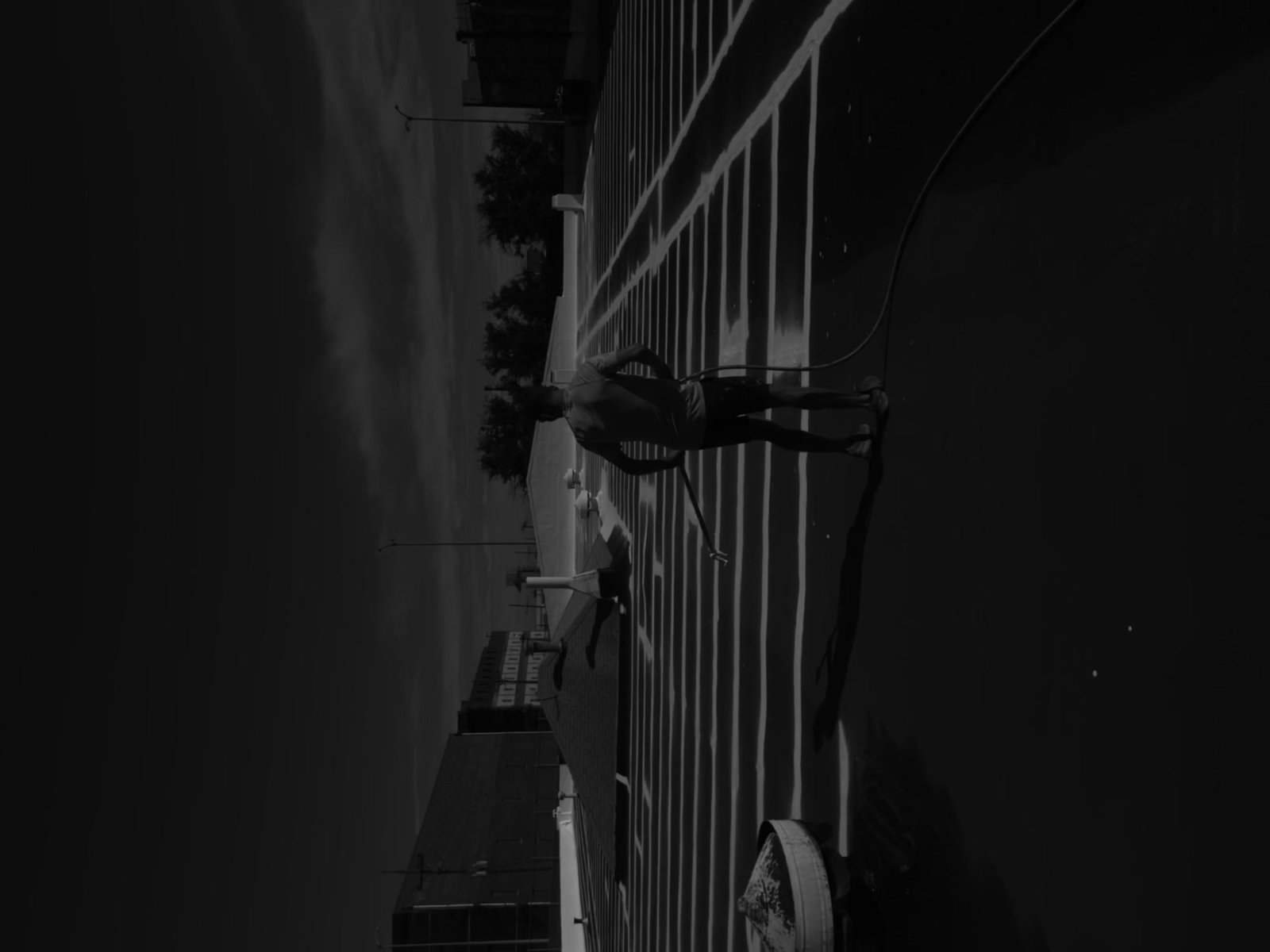
A failing commercial roof usually has two realistic paths forward: tear it off and replace it, or coat it and extend its life another 10 to 20 years. The coating path is almost always cheaper, faster, quieter, and more tenant-friendly than replacement — when the substrate underneath is still sound. The art is knowing which coating system matches which substrate, which climate, and which budget. We install the full range of commercial roof coating systems and will tell you honestly when coating is the right call and when it isn’t.
Coating Systems We Install
Silicone Restoration Coatings
Silicone is the dominant restoration coating on the market today, and the right answer on most aged-but-sound commercial roofs — particularly on anything that ponds water. Silicone is essentially unaffected by standing water, carries 80+ percent solar reflectivity, and bonds directly to aged TPO, EPDM, Hypalon, metal, modified bitumen, built-up, and even previously-coated substrates. Typical application is 20-30 mil wet-film in a single or two-coat system. Manufacturer warranties of 10, 15, and 20 years are available depending on dry-mil thickness and substrate condition.
- Best for: Aged TPO and EPDM, ponding-water roofs, metal roofs with leaking seams, metal retrofit, restoration on the first or second tear-down cycle where the insulation and deck are sound.
- Strengths: Outstanding UV and weather resistance, no tear-off, no dump fees, applicable year-round in most conditions, energy-efficiency and tax advantages.
- Trade-offs: Silicone attracts dirt and can get chalky over time (cosmetic only, doesn’t affect performance). Recoat requires a silicone-compatible topcoat; you can’t re-coat over silicone with acrylic without a primer bridge.
Spray Polyurethane Foam (SPF) with Topcoat
Where the existing roof is under-insulated, ponds water in low spots, or has uneven substrate geometry, SPF plus a silicone or acrylic topcoat is often the stronger answer. The foam adds R-6.5 per inch of continuous insulation, self-flashes every penetration seamlessly, and can be sprayed thicker in low spots to re-pitch toward drains. Topcoat protects the foam from UV and determines warranty length. We cover SPF systems in more depth on our commercial foam coating page.
- Best for: Under-insulated buildings, heavy-penetration roofs (lots of HVAC and mechanical), ponding-water problems, metal roofs with widespread leakage, situations where tear-off isn’t operationally possible.
- Strengths: Seamless, adds continuous insulation, self-flashes penetrations, 30+ year service life with periodic recoats.
- Trade-offs: Weather-sensitive install window (no rain, no high wind, temperature-limited), requires skilled applicator crew, initial cost higher than silicone-only restoration.
Acrylic Elastomeric Coatings
Acrylic coatings were the original commercial restoration category and still have a place — particularly on dry-climate roofs in Colorado’s semi-arid Front Range where ponding isn’t a factor. Lower material cost than silicone, very easy to recoat (acrylic over acrylic is straightforward), and strong reflectivity numbers. The honest limitation: acrylic breaks down fast under standing water, so we don’t specify it where ponding is a real issue.
- Best for: Dry-climate metal retrofit, modified bitumen recoat, smooth-surface built-up roofs with positive drainage, budget-driven smaller projects.
- Strengths: Lowest material cost of the major coating categories, easy recoat cycles, water-based (low VOC, easy cleanup).
- Trade-offs: Poor performance under ponding water, shorter service life than silicone or polyurethane, more limited warranty structure.
Polyurethane & Hybrid Coatings
Polyurethane elastomerics (aromatic and aliphatic) are the toughest coatings in the category — specified where foot traffic, mechanical abuse, or chemical exposure is significant. HVAC service paths on warehouse roofs, food processing facilities, and metal roof retrofits in industrial corridors all benefit from polyurethane’s impact and tear resistance. Hybrid systems (silicone-polyurethane, acrylic-polyurethane) blend strengths where a pure category doesn’t fit.
- Best for: High-traffic commercial roofs, industrial facilities, maintenance-heavy HVAC corridors, metal roof retrofit in harsh industrial exposure.
- Strengths: Exceptional impact and tear resistance, strong adhesion across mixed substrates, broad chemical compatibility.
- Trade-offs: Higher material cost, aromatic versions yellow under UV (aliphatic topcoat resolves), more demanding application window.
Asphalt Emulsion & Aluminized Coatings
Legacy categories, still specified on BUR (built-up roofing) restoration and on galvanized metal where authenticity matters more than top-tier performance. We install these where the project profile calls for them — historic commercial, older BUR that doesn’t justify premium restoration, utility outbuildings — rather than pushing silicone where it isn’t needed.
When Coating Is the Right Answer
Coating works when the underlying roof is structurally sound but cosmetically and functionally aged. We screen every candidate with a moisture survey (infrared scan or nuclear-gauge testing) before we propose a system — you can’t coat over wet insulation without trapping the water and accelerating deck failure. The ideal candidate is:
- A 12- to 20-year-old TPO or EPDM roof with scattered seam failures but intact field membrane.
- A metal roof with leaking seams, fastener backouts, or aged paint but sound deck and structure.
- A modified bitumen roof at 15+ years with cracking surface but intact base sheet.
- A built-up (gravel or smooth) roof at 20+ years with failing surface but sound structure below.
- Any roof with heavy penetration density where tear-off disruption is disproportionate to actual roof condition.
When Coating Isn’t
We will tell you straight when a coating isn’t the answer. Situations where we recommend replacement instead:
- Wet insulation below the membrane — detected by moisture survey, confirmed by core cut. Coating traps the water; deck will rot faster, not slower.
- Structural sag or ponding from deck failure — coating doesn’t fix structure.
- Multi-layer legacy roofs that are already at maximum code-allowed layers and need to come off for a fresh start.
- Insurance claim situations where the carrier has approved replacement. Don’t coat over a paid-for replacement.
- Severely degraded substrate — shrinking EPDM, blistered BUR, delaminating modified. Coating won’t adhere or won’t last.
Tax & Capital Expense Advantages
Coating a roof is usually classified as maintenance or repair, not a capital improvement — meaning the expense can be deducted in the year incurred rather than depreciated over 39 years the way a tear-off and replacement is. Your accountant will make the final call, but the classification difference can be significant. A $120,000 silicone restoration deducted in year one vs. a $250,000 replacement depreciated over 39 years has very different tax implications for the same roof. We provide scope documentation formatted for your tax professional.
Our Process
- Moisture survey first. Infrared or nuclear scan before any proposal. Wet insulation gets mapped, cut out, and replaced before coating goes on.
- Core cuts to confirm. Physical verification of the infrared findings at representative locations.
- Substrate-specific prep. Power-wash, mechanical cleaning, primer where required, spot repairs to failed seams and penetrations.
- Coating application. To manufacturer-specified mil-thickness in weather windows that meet temperature, humidity, and wind specs. We don’t push past spec to stay on schedule.
- Wet-film and dry-film thickness verification. Measured during application and at completion, documented in the warranty file.
- Manufacturer walk-and-register. The manufacturer’s rep typically walks the completed roof and registers the warranty package — standard on NDL (No Dollar Limit) warranty systems.
- Ongoing inspection cadence. Most manufacturer warranties require documented semi-annual inspections to stay in force. We’ll walk you through the inspection schedule and can include it in our commercial maintenance program.
Schedule a Coating Assessment
If you’re looking at a commercial roof that’s leaking, aging, or about to need a replacement decision, start with a coating assessment. We’ll walk the roof, run a moisture survey, and produce a written scope with options — restoration vs. replacement — so the decision is yours with real data behind it.
Call 855 ROOF-001, email info [at] rooftechnologies.com, or submit a request through our contact form to schedule a commercial coating site visit.
Still have questions? Contact us
Commercial Coatings FAQ
Common questions about silicone restoration, acrylic, polyurethane, and SPF foam coating systems for commercial roofs.