- Call Us Today! 855 ROOF-001
- Email: info [at] RoofTechnologies.com

Roofing That Keeps the Plant Running
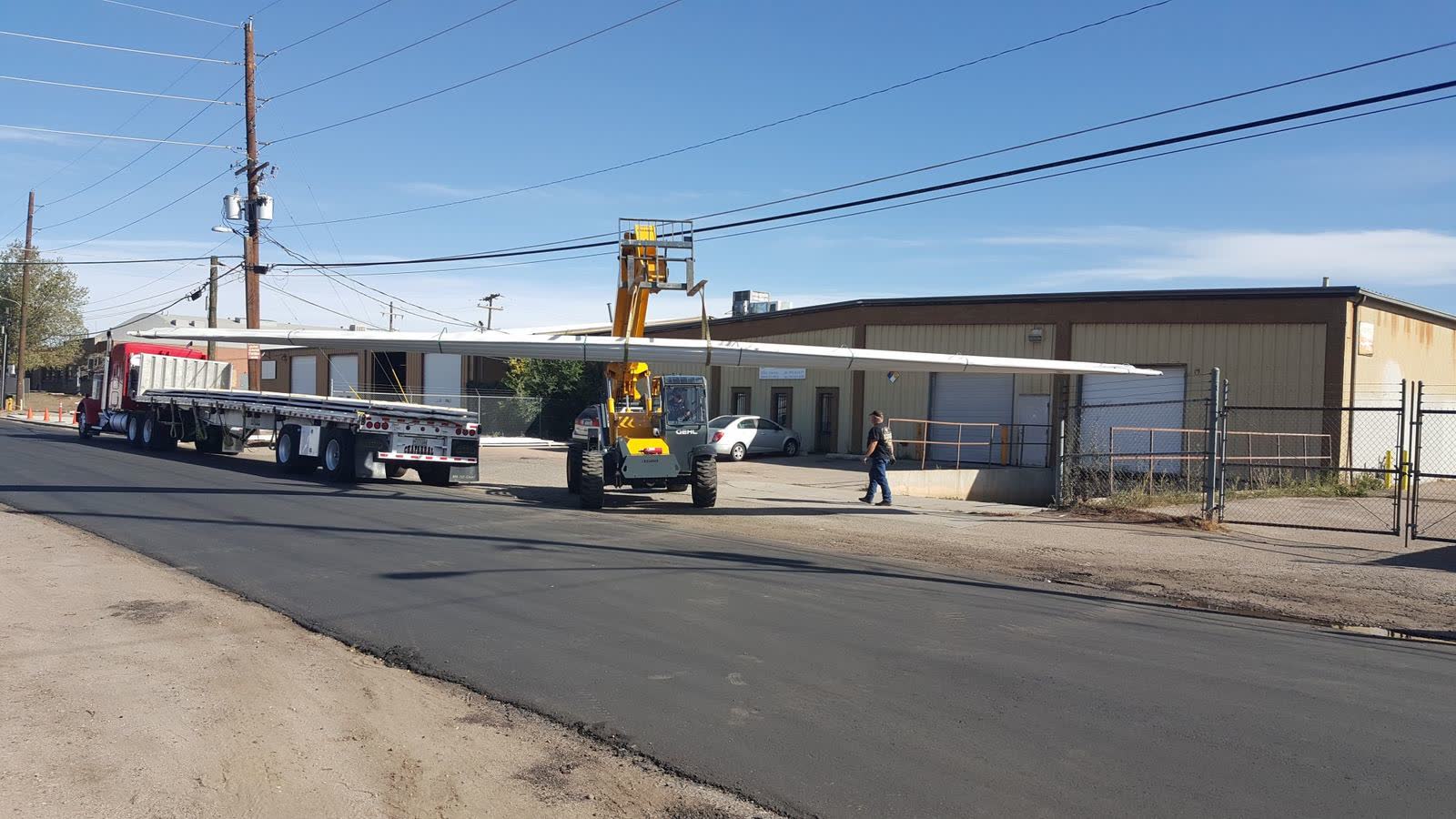
Warehouses, distribution centers, manufacturing plants, and food-production facilities cannot stop production to get a new roof. Our job is to replace or restore the roof system without shutting down operations — phased work, night and weekend shifts when required, and the dust, moisture, and FOD controls that industrial work demands.
We handle industrial roofing across Colorado, Kansas, Missouri, Nebraska, Wyoming, and Utah: full reroofs and re-covers, restoration coatings on roofs that are still sound, storm repairs, and maintenance. Every project starts with a walk of the roof and a look at what is under the membrane, because that decides whether your facility needs a replacement at all.
Systems We Install and Restore
Industrial roofs are usually large single-ply or modified systems with specific uplift, fire, and manufacturer-warranty requirements. We work across the major systems and, where it makes sense, restore rather than replace.
- TPO and PVC single-ply with mechanically-attached, induction-welded, or fully-adhered installations. FM-rated assemblies when your insurance carrier requires them. See TPO commercial roofing.
- EPDM rubber for older buildings and cold-climate applications where ballasted or fully-adhered systems make sense. See EPDM rubber roofing.
- Modified bitumen two- and three-ply SBS systems where redundancy and long life matter.
- Standing-seam metal for production facilities and cold-storage buildings where longevity and minimal maintenance justify the investment.
- Exposed-fastener R-panel for metal-building plants, shops, and warehouses where a utilitarian panel fits the budget. See R-panel metal roofing.
- SPF and silicone restoration coatings — see our foam coating page — when the existing roof can be restored instead of replaced.
Roofing for Manufacturing Facilities
A manufacturing plant roof protects more than the building: production lines, finished inventory, electrical gear, and in some plants a process that cannot tolerate dust or water. That changes how the roof is specified and how the work is run.
- A system matched to what the plant puts on the roof. TPO is our default for most plant roofs. Where process exhaust puts grease or chemicals on the membrane, PVC holds up better. Where rooftop equipment brings constant service traffic, walkway pads or a modified bitumen system handle the abuse.
- Work zones that follow the floor plan. We divide the roof into zones that line up with interior walls so tear-off never sits over live production, and every zone is watertight at the end of the shift.
- Torch-free options for sensitive plants. For food, pharma, and similar facilities we use mechanically fastened assemblies rather than torch-applied systems, and we coordinate hot-work permits with your safety team.
- Your plant safety rules, followed. Crews go through your plant safety orientation, with badging and background checks where your facility requires them.
- Carrier and code requirements built in. FM-rated assemblies when your property insurer requires them, and the energy-code insulation calculations submitted with the permit.
One example: we re-roofed a manufacturing facility in Denver’s industrial corridor with roughly 300 squares of new R-panel, replacing the wet insulation underneath while the HVAC, evaporative coolers, and production equipment below stayed in service as much as possible. See the Denver manufacturing R-panel re-roof.
Warehouse Roof Replacement
Warehouse and distribution roofs are big, mostly flat, and covered in drains, skylights, and rooftop units. The usual problems are ponding water, worn seams at penetrations, and insulation that has soaked up years of small leaks. A typical warehouse roof replacement looks like this:
- Moisture survey and core cuts first to map wet insulation. That map decides whether the roof can be re-covered or restored, or has to come off.
- Mechanically attached TPO is the most common warehouse system — the fastest install and lowest cost per square foot, in 60 to 80 mil, with a reflective white surface that lowers summer cooling loads.
- Tapered insulation and crickets to move water to the drains, because ponding is the fastest way to shorten a warehouse roof’s life.
- Phasing around the docks. On warehouses over roughly 40,000 square feet we usually phase the work, sequencing tear-off against dock schedules and where inventory sits.
- Metal-building warehouses with exposed-fastener panels can be re-roofed with new R-panel or, if the panels are sound and only the fasteners and seams leak, restored with a silicone coating.
Industrial Reroof: Replace, Re-Cover, or Restore?
Not every industrial facility reroof needs a full tear-off. Once we know what is under the membrane, there are three realistic paths:
- Restore — if the insulation is dry and the membrane is aged but intact, a silicone or polyurethane commercial roof coating can add 10 to 20 years with no tear-off.
- Re-cover — building code generally allows one new roof over a single existing roof that is sound and dry, which avoids the tear-off and disposal cost.
- Replace — wet insulation, a failing deck, or two existing layers mean a full tear-off to the deck, usually with new tapered insulation to fix the drainage problem that caused the damage.
Whichever path fits, a documented commercial roof maintenance program afterward keeps the manufacturer warranty in force and pushes the next reroof a long way out.
Phased Replacement on Live Sites
We do not hand you a schedule and hope for the best. We sit down with your facility manager, look at the dock schedules, production runs, and the spots where water in the building is a non-starter, and we build a phasing plan around it.
- Section-by-section tear-off with dry-in at end of every shift so weather does not catch you open.
- Night and weekend work when production windows require it. We charge for it, but it is available.
- Rooftop unit coordination with HVAC contractors so units can be lifted, curbs flashed, and units reset without surprising your mechanical team.
- Skylights, hatches, and fall-protection integrated into the new system, not ignored.
For a step-by-step look at how we sequence a large job, read our industrial roof replacement phasing playbook. If storm damage needs attention before a planned reroof, our 24/7 emergency roof repair crews handle tarping and dry-in first.
Food Production and Clean Facilities
Food, pharma, and clean-manufacturing facilities have rules about what can fall from a roof tear-off into the production space below. We work to those rules — dust containment, FOD (foreign object debris) controls, and tear-off sequencing that keeps the production floor clean and inspection-ready.
- Interior ceiling protection where tear-off is happening above sensitive space.
- FOD sweeps at shift changes and end-of-day, documented.
- Crew badging and background checks where facility security requires them.
Warranty and Insurance
Industrial roofs carry real money on the warranty side. We install certified under the major manufacturers — Carlisle, GAF, Firestone (now Elevate), Johns Manville, Sika — and register NDL (no-dollar-limit) warranties where the owner wants them. For insurance-covered storm work, we document the damage on drone photo surveys and coordinate with the carrier's adjuster directly.
Schedule an Industrial Roof Assessment
Whether you are looking at a full replacement, a restoration coating, or a storm claim on a large industrial property, we will come walk the roof, pull core samples where useful, and give you a written recommendation.
Call us at 855 ROOF-001, email info [at] rooftechnologies.com, or submit a request through our contact form to schedule an industrial roof site visit.
Still have questions? Contact us
Industrial Roofing FAQ
Common questions about manufacturing facility roofing, warehouse roof replacement, and industrial reroofs with TPO, EPDM, modified bitumen, and metal.