- Call Us Today! 855 ROOF-001
- Email: info [at] RoofTechnologies.com

Siding
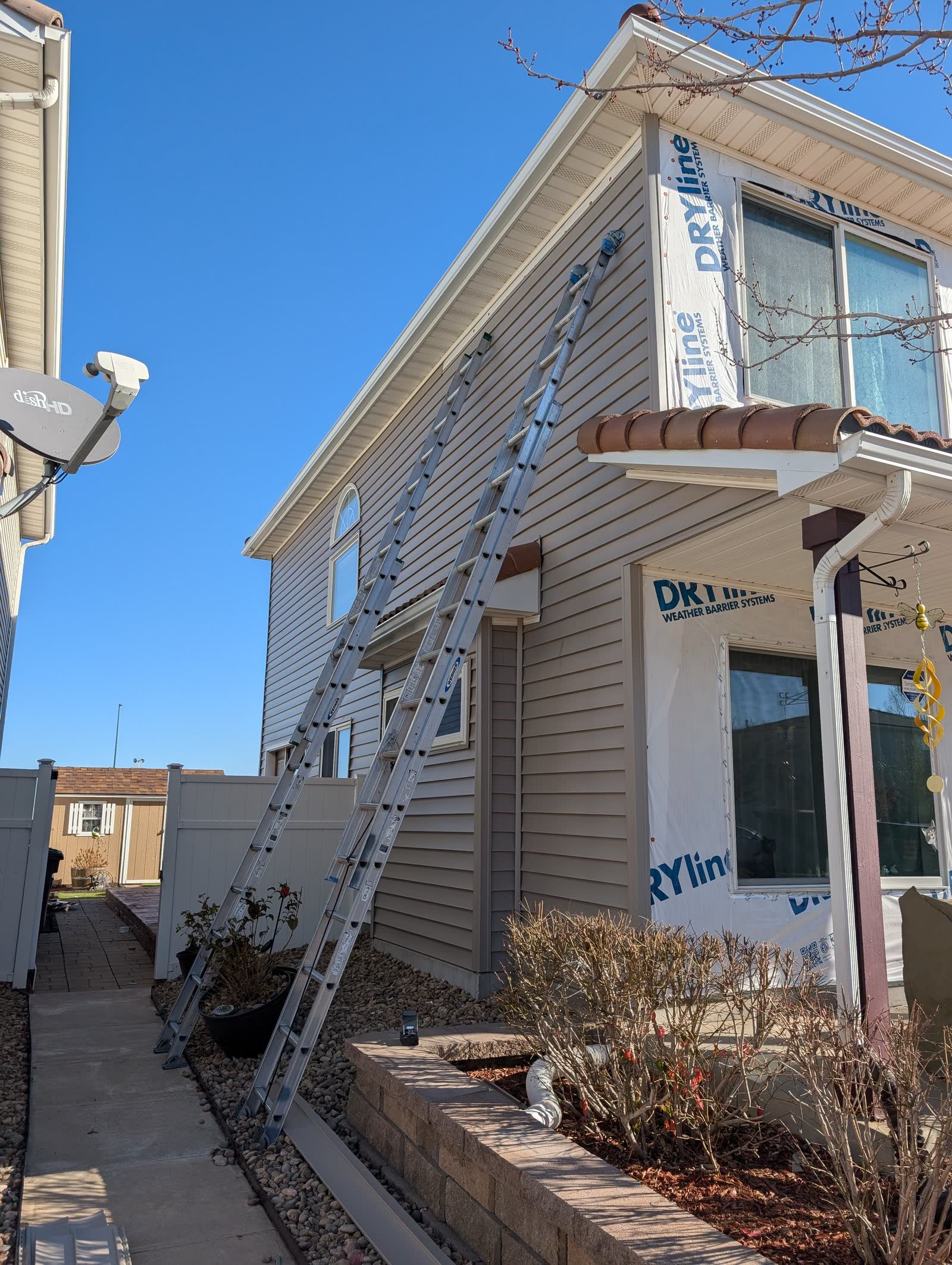
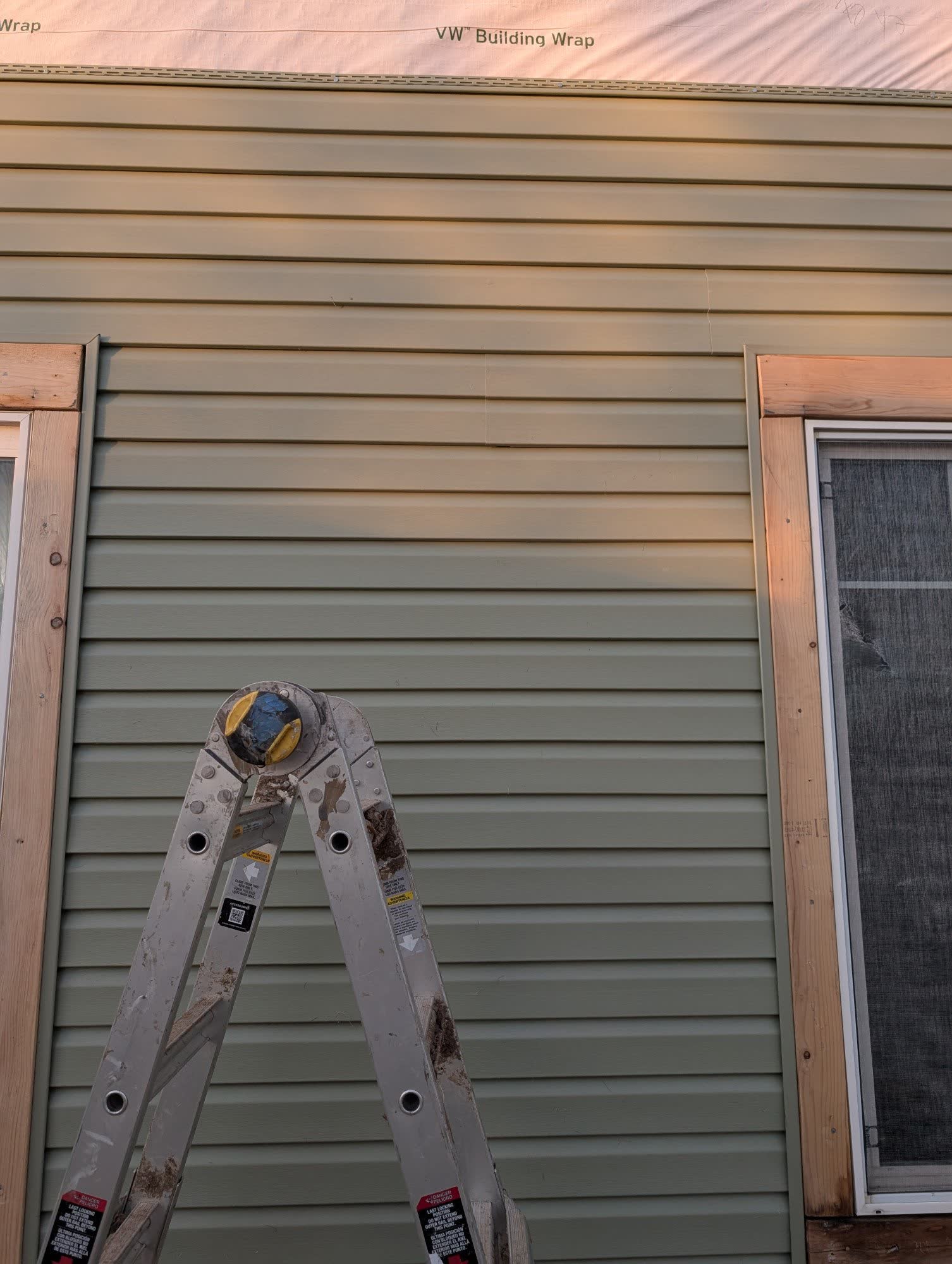
Your siding is the single largest visible surface of your home, and it carries the full weight of whatever the weather does: driving rain, wind-blown debris, freeze-thaw cycles, intense sun, and the hail Colorado, Kansas, Missouri, Nebraska, and Wyoming are famous for. Roof Technologies installs James Hardie fiber cement, Alside vinyl, ProVia premium siding, and traditional wood siding, choosing the right system for your architecture, your budget, and the exposure your home actually sees.
James Hardie Fiber Cement: The Gold Standard
Fiber cement has become the benchmark for exterior cladding, and James Hardie is the benchmark within the category. It's a composite of cement, sand, and cellulose fiber pressed into planks, panels, and shingles that look like painted wood from the curb but behave like masonry.
- Fire Resistance: Non-combustible by composition. In wildfire-adjacent Colorado neighborhoods, this is a serious selling point for insurers and buyers.
- Hail and Impact Resistance: Much tougher than vinyl or wood when a baseball-sized hailstone arrives, and far less prone to denting and cracking.
- Dimensional Stability: Doesn't expand, contract, warp, or bow with temperature swings. Caulk joints and paint lines stay tight.
- Rot, Insect, and Moisture Resistance: Immune to the things that destroy wood siding: termites, carpenter ants, woodpeckers, and persistent moisture.
- ColorPlus Technology: Factory-baked finishes that resist fading, chalking, and peeling far longer than field-applied paint, backed by a 15-year finish warranty. You can skip repainting for years while neighbors with wood or painted stucco are back on the ladder.
- 30-Year Substrate Warranty: Hardie stands behind the board itself for three decades, transferable to the next owner.
Alside Vinyl: Our High-Volume Vinyl Line
Vinyl is still the most-installed siding material in America, and modern premium vinyl is a different product than what went on homes in the 1990s. We buy a lot of Alside — one of the largest vinyl siding manufacturers in North America, owned by Associated Materials — because the quality-to-price ratio is hard to beat and the product lines cover nearly every architectural requirement we see.
- Alside Prodigy (insulated): 1.5-inch contoured foam backing bonded to the back of a .046-inch thick vinyl face. Adds continuous R-value, kills stud-telegraphing in cold weather, and the extra thickness gives the plank a crisp, non-floppy look that reads much closer to painted wood from the curb than non-insulated vinyl.
- Alside Charter Oak: .044-inch premium non-insulated vinyl with authentic cedar-grain embossing. Strong color depth, solid lifetime warranty, and sits in the price sweet spot where most of our volume lands.
- Alside Conquest and Essex: .040- and .042-inch builder-grade lines for rental, re-skin, and price-sensitive work. Honest product at an honest price — we’ll tell you where it fits and where it doesn’t.
- Zero painting, ever: Color runs all the way through the plank. Scratches don’t expose a different color underneath.
- Profiles and textures: Dutch lap, traditional lap, vertical board & batten, shake, and scallop profiles let you match nearly any architectural style and HOA spec.
ProVia: Premium Siding Without Going to Fiber Cement
ProVia is an Ohio-based manufacturer that sits at the top of the vinyl and composite category. We specify it on homes where the owner wants a step above standard vinyl — thicker profile, deeper shadow lines, better color work — without the weight and paint-prep complexity of fiber cement. ProVia is a sold-through-dealers-only line, which we are, so the product isn’t in box stores or discount outlets.
- ProVia Board & Batten: Vertical vinyl board-and-batten with deep, authentic-looking reveal lines. The go-to for modern farmhouse and transitional architecture where the look matters more than the per-square price.
- ProVia CedarMax: Insulated vinyl with .046-inch face and foam backing, engineered specifically for the deep shadow lines and realistic wood-grain of premium cedar clapboard. Top of the insulated vinyl category.
- ProVia Heritage Cedar and Portsmouth Shake: Vinyl shake and shingle profiles for gables, dormers, and accent walls that look convincingly like hand-split cedar from any normal viewing distance.
- Lifetime warranty with solid transferability — ProVia’s warranty structure is meaningful, with clear transferability provisions that add value at resale.
- Color range — more than 40 stocked colors plus custom color matching on qualifying orders. Useful for HOA communities that want a specific palette maintained without compromise.
Wood Siding: Character That Can't Be Faked
For historic homes, mountain cabins, and high-end custom builds where authenticity matters, nothing looks like real wood because nothing is real wood. Cedar and redwood remain the favorites for their natural weather resistance and the way they age.
- Authentic Grain and Shadow Lines: Real bevels, real knots, real texture that catches sunlight differently than any embossed imitation.
- Profiles Available: Clapboard, shiplap, board-and-batten, tongue-and-groove, and hand-split shakes and shingles for character walls and gables.
- Finish Options: Solid stains, semi-transparent stains that let the grain show, or paint for a crisp traditional look. We'll walk through the maintenance commitment honestly before you commit.
- Repairability: A damaged plank can be pulled and replaced piece by piece without re-siding a whole wall.
Our Installation Process
Siding looks simple from the curb. The difference between a wall that sheds water for thirty years and one that traps moisture and rots out the sheathing comes entirely from the layers you can't see.
- Tear-off and Inspection: Old siding comes off and we look at what's behind it. Rotted sheathing, failed housewrap, and pest damage are documented and addressed before new material goes up.
- Weather-Resistive Barrier: A fresh layer of housewrap, properly lapped and taped, is the real waterproofing on your wall.
- Flashing at Every Penetration: Windows, doors, lights, hose bibs, vents, and wall-roof intersections all get flashed correctly.
- Proper Fastening: Each material has a manufacturer spec for nail type, nail location, gap distance, and joint treatment. We follow them. Incorrect fastening is the single most common install mistake in the industry.
- Trim and Accent Integration: Corner boards, frieze, fascia, window surrounds, and gable vents are coordinated so the finished home looks intentional, not assembled.
HOA and Neighborhood Considerations
Many Colorado, Kansas, Missouri, Nebraska, and Wyoming subdivisions have design review committees that approve siding material, profile, and color before any work starts. We handle these submittals routinely, and we keep manufacturer sample boards and color chips on hand so you can walk approvals through without guesswork. If your HOA requires a specific material, we'll tell you upfront whether we can match it exactly.
Signs You're Due for New Siding
- Planks are warping, buckling, or pulling away from the wall.
- Soft spots when you press on the surface, which means rot underneath.
- Paint won't hold regardless of how many coats you apply.
- Fading so severe that patching looks like a different house.
- Visible hail bruising, cracks, or holes after a storm.
- Woodpecker or carpenter bee damage that keeps coming back.
- Caulk joints at trim and windows have failed and can't keep up anymore.
- Energy bills have crept up even though windows and insulation are fine.
Storm Damage and Insurance Claims
When a major hail event comes through, siding is often approved for full replacement alongside the roof, especially when matching planks are no longer manufactured. Adjusters don't always catch this on the first pass. Because we routinely handle roof, siding, and window claims together, we know how to document siding damage, request supplements when adjusters miss it, and keep your claim moving. If the siding on the damaged face can't be matched to the other three elevations, that's typically a full-siding conversation, not a patch.
Get a Siding Estimate
We'll walk your home, take measurements, talk through material and color options, and give you a written, itemized estimate you can actually compare with others. No high-pressure closing pitch.
Call 855 ROOF-001, email info [at] rooftechnologies.com, or request an estimate online.
Still have questions? Contact us
Siding FAQ
Answers to common questions about James Hardie, LP SmartSide, vinyl, and wood siding.