Denver Roof Insurance Claim Support All Perils — Hail, Wind, Tree, Fire — 855 ROOF-001

Roof Insurance Claims Support in Denver, CO

End-to-end Denver roof insurance claim support — we handle the on-site inspection, written scope of loss, adjuster meetings, supplement filings, and ACV-to-RCV depreciation recovery. Hail, wind, tree impact, fire, ice dam, and multi-peril claims — all under Colorado Revised Statutes 10-4-110.8.

  • All perils: hail, wind, tree, fire
  • Free on-site claim inspection
  • Written Xactimate-format scope
  • On-site adjuster coordination
  • Supplement filings during work
  • ACV-to-RCV depreciation recovery
★★★★★
4.9/5
Google Rated
"

Joel Johnson was my rep and helped me navigate the process. They helped me overcome some hurdles with my insurance company. The communication was great and installation was efficient despite the challenges of living in the mountains. Overall was a good experience and glad I went with Joel and Roof Technologies.

— Andy M. — Google Review
Denver Homeowners Trust
The Denver Roof Insurance Market

Denver Sits at the Intersection of Multiple Covered Perils

A Denver roof takes hail in June, 70-mph chinook winds in January, a cottonwood limb in an August monsoon, and occasional ice-dam water intrusion in February. Every Colorado homeowner policy has to respond to those perils under CRS 10-4-110.8 — the state's Homeowner Insurance Reform Act, which mandates RCV coverage, matching for undamaged sections, and code-upgrade coverage where reasonable.

Most Denver policies give you one year from date of loss to file — but the supplement window on an open claim often runs well beyond that, and the recoverable depreciation only releases once the work is completed. The paperwork discipline is where claims get won or lost.

  • CRS 10-4-110.8 — RCV required on every Colorado HO policy
  • Matching coverage for undamaged sections (siding, shingles, gutter runs)
  • Code-upgrade coverage — ice-and-water, drip edge, R-value, ventilation
  • Typical filing deadline: 1 year from date of loss
  • Colorado law prohibits contractors from waiving or absorbing deductibles
  • Anti-AOB protections for Colorado homeowners
Book a Free Claim Inspection
5Perils Covered Under One Process
4.9★Avg Google Rating
$0Inspection & Claim Support
Denver roof insurance claim inspection — Roof Technologies
20+ Denver-Metro Cities & Counties Served
Claim Types We Cover

Every Denver Roof Peril — Documented, Scoped, & Claimed

Denver roofs face multiple covered perils every year. We handle the documentation and claim workflow across all of them.

Hail Damage

Test-square documentation, per-slope photos, impact counts. Denver's dominant claim type — we've replaced thousands of hail-damaged roofs since the 2018 storm.

Dedicated hail page →

Wind Damage

Uplift, missing or creased tabs, seal-strip failures, ridge-cap displacement. Chinook events and downslope windstorms regularly exceed 70 mph on the Front Range.

Tree Damage

Falling limbs, puncture damage, structural decking replacement. Denver's cottonwoods, blue spruce, and aging Siberian elms drop branches in every storm cycle.

Fire Damage

Smoke infiltration, ember damage, radiant heat to underlayment, and full-replacement scope for structure fires and wildfire embers in the foothill communities.

Ice Dam & Water Intrusion

Eave ice-dam damage, backflow water staining, decking rot, and interior-ceiling damage — especially in older Denver homes with undersized ventilation or no ice-and-water shield.

Vandalism & General Storm Peril

Vandalism scope, debris impact, and general catch-all peril coverage for events that don't fit a clean hail-or-wind category — documented and filed with photographic support.

Our Denver Claim Workflow

5 Steps — From First Call to Final Depreciation Release

Every Denver roof insurance claim — whether hail, wind, tree, fire, or multi-peril — runs through the same documented workflow. You pay your deductible; we handle the paper trail.

1

Inspection

Multi-peril on-site inspection, per-slope photos, attic-side water check, and a written scope of loss.

2

Carrier Notification

We help you notify your carrier with the right facts — date of loss, peril type, and photographic triggers.

3

Adjuster Meeting

We walk the roof and property with the carrier's field adjuster so nothing gets missed or under-scoped.

4

Supplement Negotiation

Code upgrades, R-value, enhanced fastening, rotted decking — filed as a supplement while the deck is exposed.

5

Depreciation Recovery

Final invoice submitted so your recoverable depreciation check releases — the piece most homeowners leave on the table.

Roof Technologies Denver insurance claim documentation team
How We Handle a Denver Roof Insurance Claim

Documentation, Not Negotiation — and That's Why It Works

A roofing contractor cannot legally negotiate your claim — that's public adjusting, and it requires a Colorado license. What we do instead is document the loss in carrier-readable line-item format, walk the roof with your adjuster, and supplement when tear-off exposes more. Honest work, straight scope, clean paper trail.

  • 1

    Honest First Read

    If the damage is cosmetic and the roof will pass an adjuster mat test, we'll tell you. A zero-pay claim counts against your policy history.

  • 2

    Per-Peril Documentation

    Hail test squares, wind seal-strip tests, tree puncture measurements, fire ember maps — each peril photographed separately so your adjuster can trace damage to the originating storm event.

  • 3

    On-Site Adjuster Meet

    We walk every slope with your carrier's field adjuster so damage doesn't get missed, minimized, or mis-attributed to an excluded cause.

  • 4

    Supplement During Tear-Off

    Rotted decking, Colorado code-required ice-and-water, drip edge, and enhanced fastening — filed same-day with photos while the deck is still exposed.

  • 5

    Deductible Integrity

    You pay your deductible in full. Any contractor offering to waive, absorb, or discount it is committing insurance fraud under Colorado law — walk away.

  • 6

    Depreciation Recovery Loop

    Final invoice handling so your recoverable depreciation check releases on time. This is where most DIY claims leave thousands of dollars on the table.

Denver Carrier Relationships

We Work Every Major Denver-Metro Carrier

Roof Technologies has documented, supplemented, and closed out claims with every major carrier writing homeowner coverage across the Denver metro. That means we know each carrier's scope conventions, their field adjuster roster, their third-party administrator preferences, and the timing of their supplement review desks.

Fewer surprises on scope. Faster turnaround on supplements. Cleaner path from ACV check to final depreciation release.

State Farm
USAA
Allstate
Liberty Mutual
Farmers
American Family
Travelers
Chubb
Nationwide
Erie

For the technical deep-dive on residential claims statewide — ACV vs. RCV, deductibles, supplement windows, and AOB warnings — see our Residential Insurance Claims page. For hail-specific Denver coverage including 2018 storm supplements and Class 4 discount rates, see Denver Hail Damage. For all services across the metro, see the full Denver page.

Start Your Denver Claim

Roof Technologies Denver insurance claim specialists
Denver Metro Service Area

Insurance Claim Support Across the Denver Metro

Serving Denver, CO and every surrounding metro community — Denver, Jefferson, Arapahoe, Adams, and Douglas Counties.

Denver, CO Aurora Lakewood Arvada Thornton Centennial Parker Broomfield
Westminster
Highlands Ranch
Littleton
Englewood
Wheat Ridge
Castle Rock
Commerce City
Brighton
Lone Tree
Greenwood Village
Cherry Creek
Stapleton / Central Park
Highlands
Washington Park
Park Hill
Sloan's Lake
Roof Technologies

What Our Denver Claim-Support Customers Say

Manufacturer Certifications & Trade Credentials

IKO RoofPro Select CertainTeed NorthGate Owens Corning Duration Flex Malarkey Legacy Tamko Heritage IR Tesla Certified BBB Accredited
Request Your Free Denver Claim Inspection

Complimentary Roof Inspection & Claim-Support Consult

Serving Denver, CO and every surrounding metro community. Tell us the claim type — hail, wind, tree, fire, or other — and we'll schedule an inspection. No pressure, no obligation, no deductible games.

Denver, CO & Surrounding Metro — All-Peril Claim Support
Same-week inspections post-storm
By submitting this form, you agree to receive communications from Roof Technologies regarding your claim inquiry, including calls, emails, or text messages. Message and data rates may apply. You can opt out at any time. We do not waive deductibles or practice public adjusting.

Denver roof insurance claim? Talk to a local Colorado contractor.

Denver Claim FAQ

Common Questions From Denver Roof Insurance Claim Homeowners

Colorado Revised Statutes 10-4-110.8 — the Homeowner Insurance Reform Act — requires every Colorado homeowner policy to pay on a Replacement Cost Value (RCV) basis, not Actual Cash Value. Your carrier issues two checks: first, an ACV check (RCV minus depreciation minus your deductible) when the claim is approved; second, a recoverable depreciation check released after the work is completed and the final invoice is submitted. The same statute also requires matching for undamaged sections where reasonable — meaning if only one slope of siding or a single run of gutter is damaged, the carrier often has to cover the full matching run rather than patchwork repairs. Your deductible is yours to pay; Colorado law makes contractor deductible-waiver a criminal act.
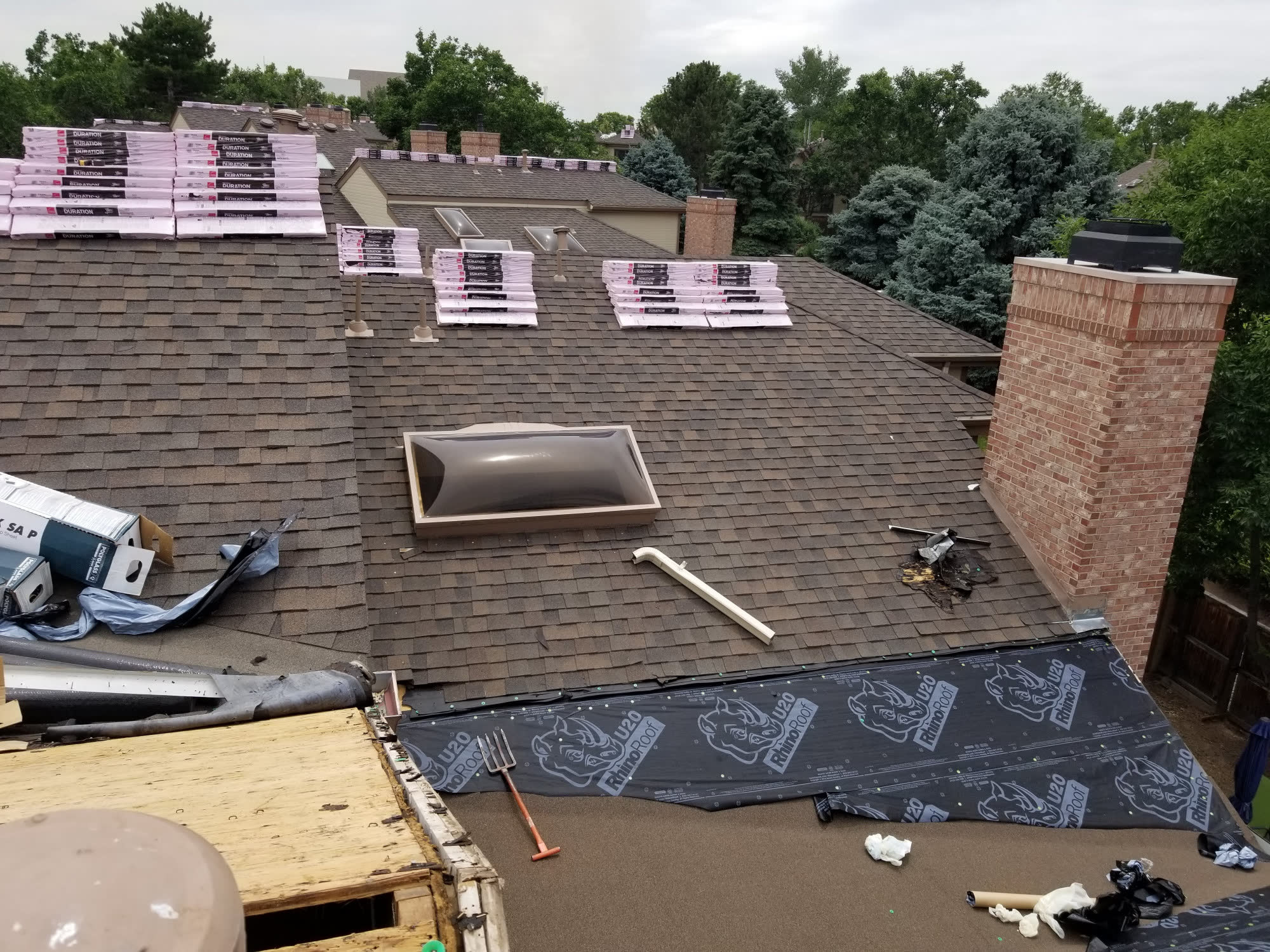
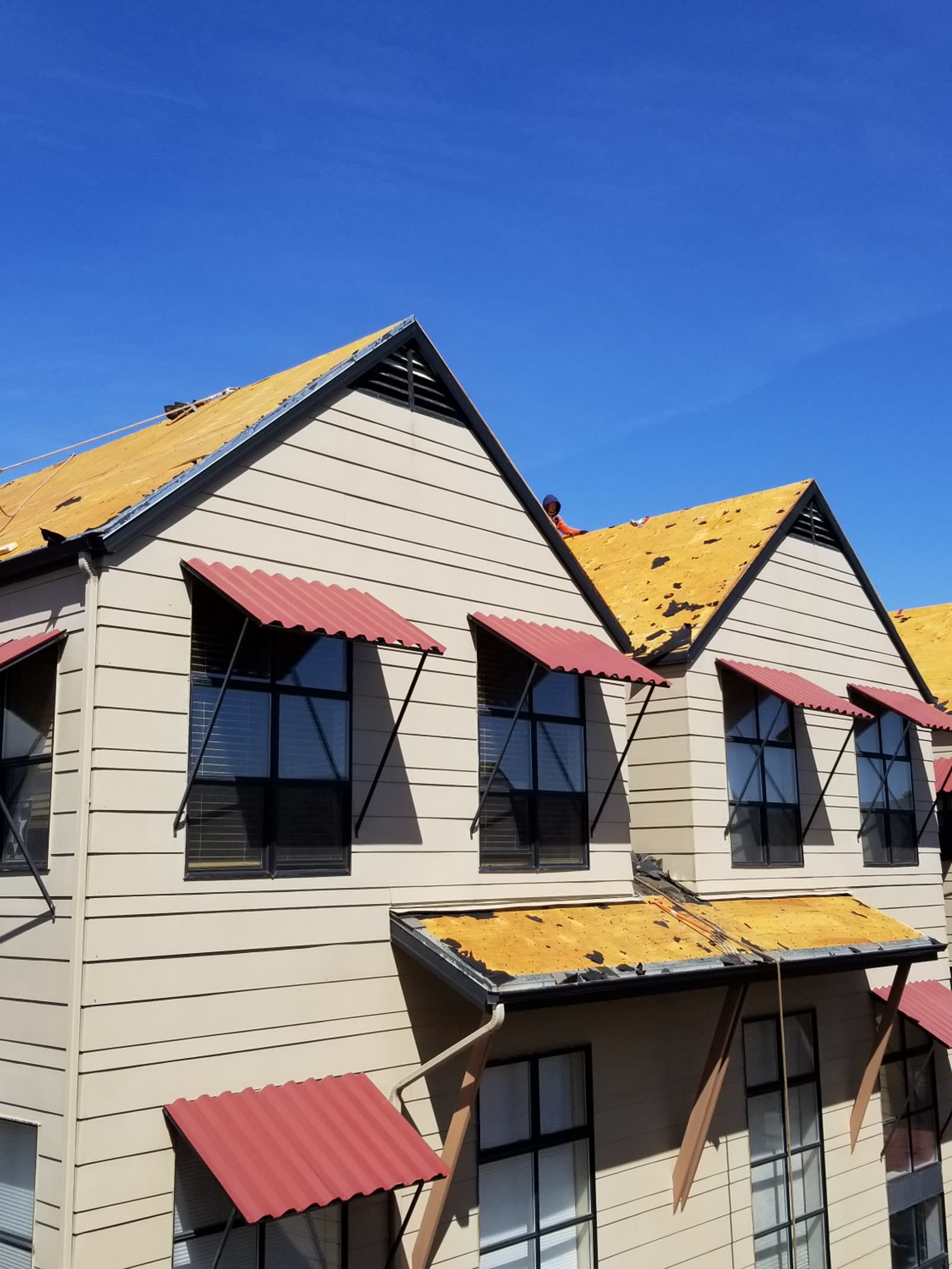
A supplement is an addendum to your original approved scope, filed when additional damage or code-required items become visible during tear-off or ongoing investigation. On Denver roofs, supplements commonly recover: rotted or delaminated decking exposed at tear-off; Colorado-code ice-and-water shield at eaves, valleys, and penetrations; drip edge (required by most Denver-metro munis); upgraded R-value attic insulation where code triggers apply; enhanced fastening (6-nail vs 4-nail) in high-wind zones; ridge and soffit ventilation upgrades; and chimney counter-flashing replacement. We build supplement packets while the deck is exposed, photograph every line item, and submit same-day so nothing gets lost in post-install paperwork.
A public adjuster is licensed by the Colorado Division of Insurance to negotiate a claim on your behalf — they take a percentage of the settlement, typically 10–15%. A roofing contractor cannot negotiate a claim for you; that would be unauthorized practice under Colorado law. What we CAN do — and what we're good at — is document the damage, write an accurate line-item scope, meet your carrier's adjuster on-site, file supplements when tear-off exposes more, and handle depreciation recovery paperwork. We do not charge a percentage of your claim. Our price is the written contract scope, paid from your claim proceeds plus your deductible — nothing more. If a claim is denied or seriously under-scoped, we can recommend a licensed Colorado public adjuster; we do not receive referral fees.
For a typical Denver metro roof claim that moves cleanly, the full ACV-to-RCV cycle usually runs 12–18 months from storm date, though the depreciation release itself can happen within 30–60 days of invoice submission once work is complete. The 12–18 month window accounts for carrier processing of the initial claim (2–6 weeks), scheduling the adjuster inspection (2–4 weeks), supplement negotiation (2–8 weeks), material availability and installation (often weather-gated in Denver — fall/spring installs are fastest), and final invoice + depreciation release (30–60 days post-completion). Old 2018 Denver hail claims and multi-peril losses with ongoing supplement disputes can run longer. We track the clock on every claim file so nothing sits idle.
Two different questions. Storm-chaser red flags: any contractor who offers to waive, absorb, or discount your deductible is committing insurance fraud under Colorado law — walk away. Also watch for out-of-state companies with no Colorado license, no physical Colorado office, no Colorado Secretary of State registration older than the storm, aggressive pressure to sign before the adjuster arrives, and promises of specific outcomes ("we'll double your claim" or "we'll guarantee approval") before any inspection. Verify a Colorado business address older than the storm, an active Colorado license, General Liability and Workers' Comp certificates issued to a Colorado entity, BBB accreditation with a physical Colorado address, and a Google review history predating the storm. An Assignment of Benefits (AOB) is a separate topic and a much more positive one: it's a written agreement that assigns your claim rights for the roofing project to us so we can invoke your policy's appraisal clause (a faster, cheaper alternative to litigation when the carrier underpays), write supplements in our own name, and pursue bad-faith remedies if ever needed — at no additional cost to you, because we have a direct interest in getting the scope right. The AOB does not transfer your check, your policy, or your right to cancel; the carrier still issues payment to you and your mortgage company the way it always does. Our AOB carries the standard Colorado three-business-day cancellation window and is explained line by line before you sign.
The major carriers writing homeowner coverage across the Denver metro include State Farm, USAA, Allstate, Liberty Mutual, Farmers, American Family, Travelers, Chubb, Nationwide, and Erie — with regional players like Pekin, Auto-Owners, and Colorado Farm Bureau also active. Most publish a wind/hail premium discount schedule for UL 2218 Class 4 impact-rated roofing installed on the primary dwelling: State Farm typically 20–25% on the wind/hail portion; USAA 25–30%; Allstate and Farmers 15–25%; Liberty Mutual and American Family 10–20%; Travelers roughly 10–15%. Actual rates vary by zip, deductible, and roof age. We document the shingle's UL 2218 listing, pull the manufacturer impact certificate, and provide everything your agent needs to apply the discount at renewal — usually paying for the material upgrade in 3–5 years.
Yes. Denver-metro wind events regularly exceed 60–80 mph on the Front Range, and wind-only claims are common — especially during chinook events, spring squall lines, and the bora-style downslope windstorms that hit west metro (Golden, Boulder, Jefferson County foothills) every winter. Wind damage documentation is different from hail: we photograph missing tabs or full shingles, check for creased tabs (a torn-and-reseated shingle that looks fine from the ground but has lost its seal-strip bond), test seal-strip integrity on every slope, document any torn underlayment or exposed deck, and photograph displaced ridge cap, chimney flashings, and vent pipes. Carriers often under-scope wind claims because creased-but-present shingles look undamaged to a desk adjuster — that's where on-site scope documentation matters. We also look for collateral wind-driven damage: fallen tree limbs on the roof, torn gutters, and garage-door bow from pressure events.
Denver storms frequently combine perils — a supercell can drop hail, spawn 70 mph straight-line winds, and drop a 40-foot cottonwood limb on the same roof in under an hour. Multi-peril claims can all be filed under a single claim number with a single deductible, but the scope has to be written so each peril is documented on its own line items: hail damage (test squares, impact counts per slope), wind damage (creased tabs, seal-strip failures, uplift), and tree impact (puncture points, structural damage, decking replacement). We photograph each peril separately, build a per-peril section in the scope of loss, and meet your adjuster on-site so the full picture gets captured in one visit. Collateral damage — broken windows from debris, gutter displacement, AC condenser hits, fence damage — gets tied back to the originating storm event so everything flows under one claim rather than fragmenting into multiple filings.