- Call Us Today! 855 ROOF-001
- Email: info [at] RoofTechnologies.com
Wind-Rated Roofing in
Conifer, CO
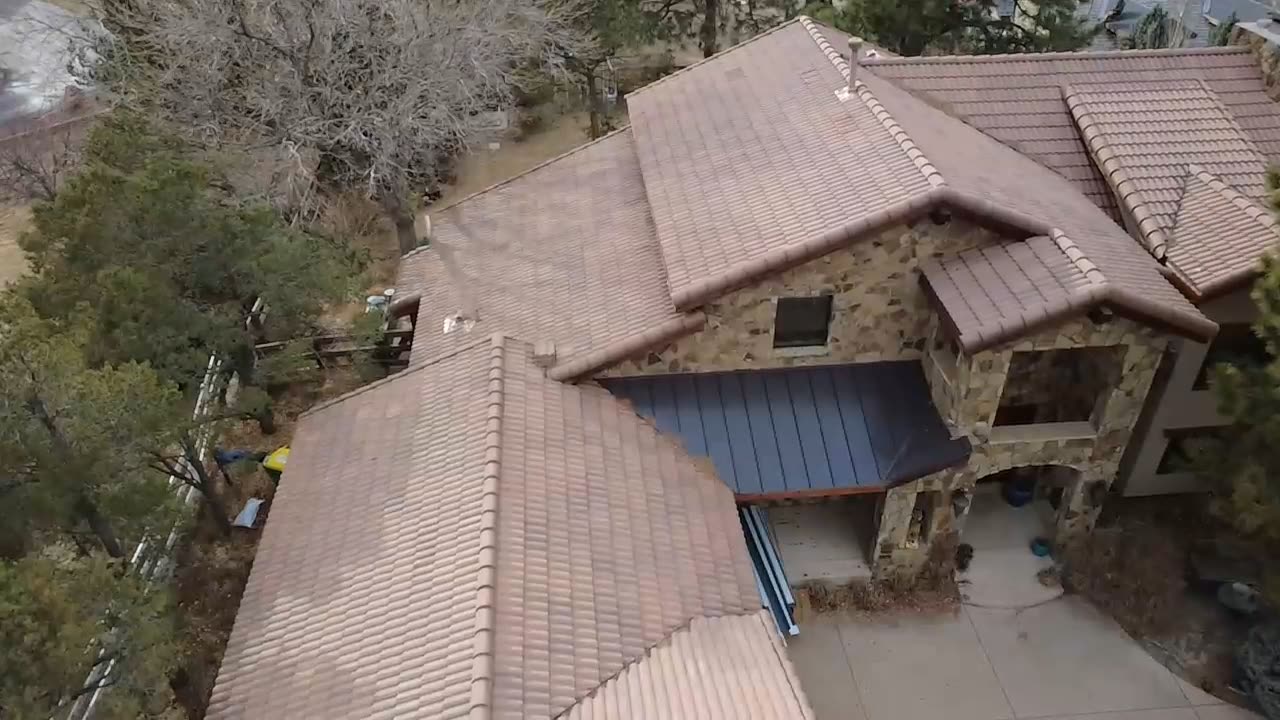
Conifer sits in extreme wind exposure — Conifer's 8,000+ foot elevation in the Foothills means heavy snow loads, extreme wind events, and WUI fire risk all drive roofing spec decisions here.. Roof Technologies installs every Conifer roof to the appropriate wind-zone fastener spec, with uplift-rated ridge cap and high-wind starter strip on the entire perimeter.
Google Rated
Joel Johnson was my rep and helped me navigate the process. They helped me overcome some hurdles with my insurance company. The communication was great and installation was efficient despite the challenges of living in the mountains. Overall was a good experience and glad I went with Joel and Roof Technologies.
— Andy M. — Google ReviewThe High-Country Mountain Community at 8,300 ft
Conifer sits 1,100 ft higher than Evergreen along the US-285 corridor, with snow loads, fire exposure, and weather extremes that make it one of the most demanding install environments on the Front Range. The 2002 Hayman Fire and 2020 Buffalo Creek fires both burned at or near the Conifer footprint and reset the local building code — every re-roof here defaults to Class A fire-rated assembly and ember-resistant detailing.
- Class 4 impact-rated shingles built for the high-country hail-and-wind corridor
- Jefferson County permit fluency — high-country portal and inspection cadence
- Snow load engineering for 8,000+ ft elevation (45-60 psf design loads)
- Ember-resistant eave, soffit, and ridge-vent detailing per post-Hayman code
- High-wind nailing standard for ridge and exposed-aspect installs
- IREA / Tri-State solar interconnection across the high-country footprint
- Insurance claim documentation for every Conifer-area storm event
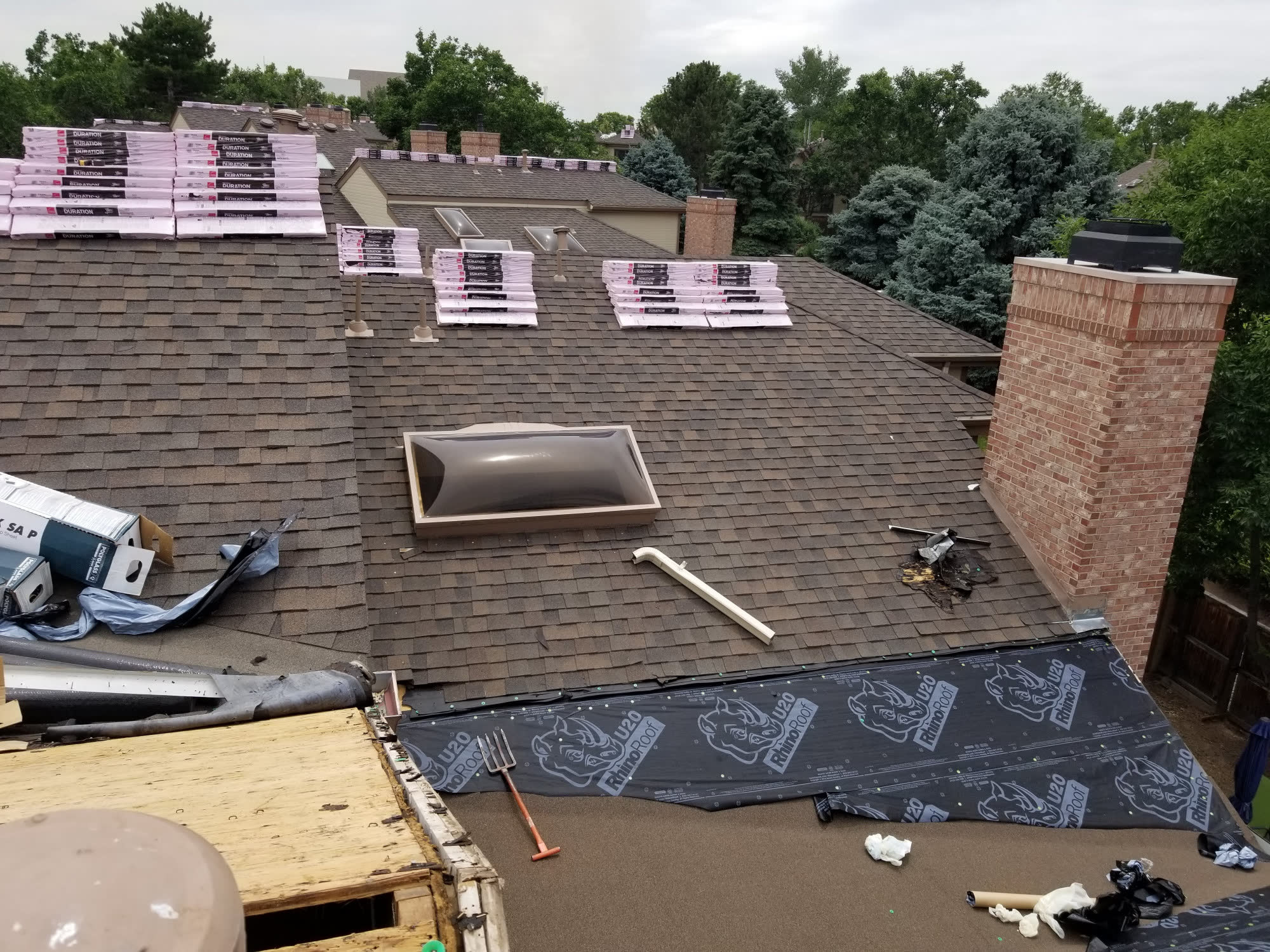
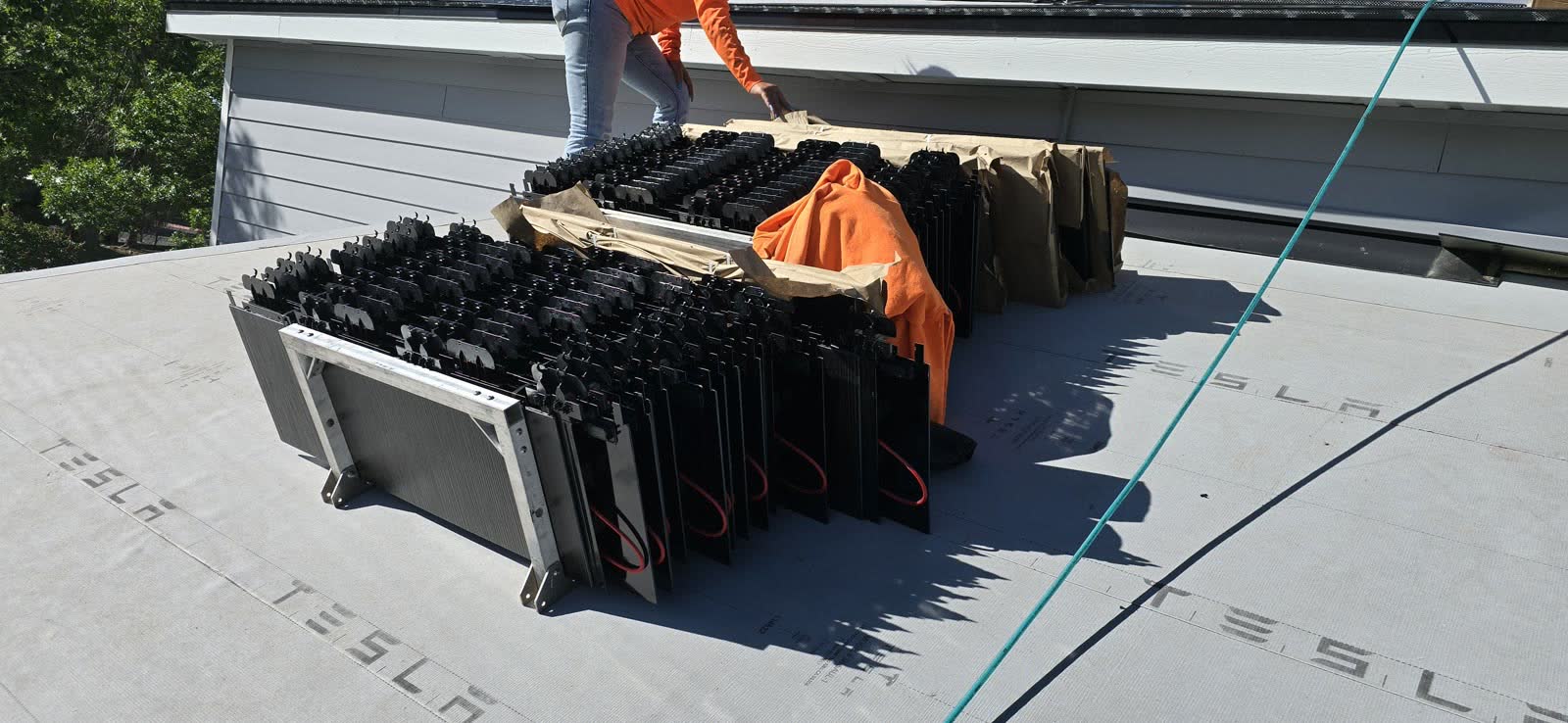
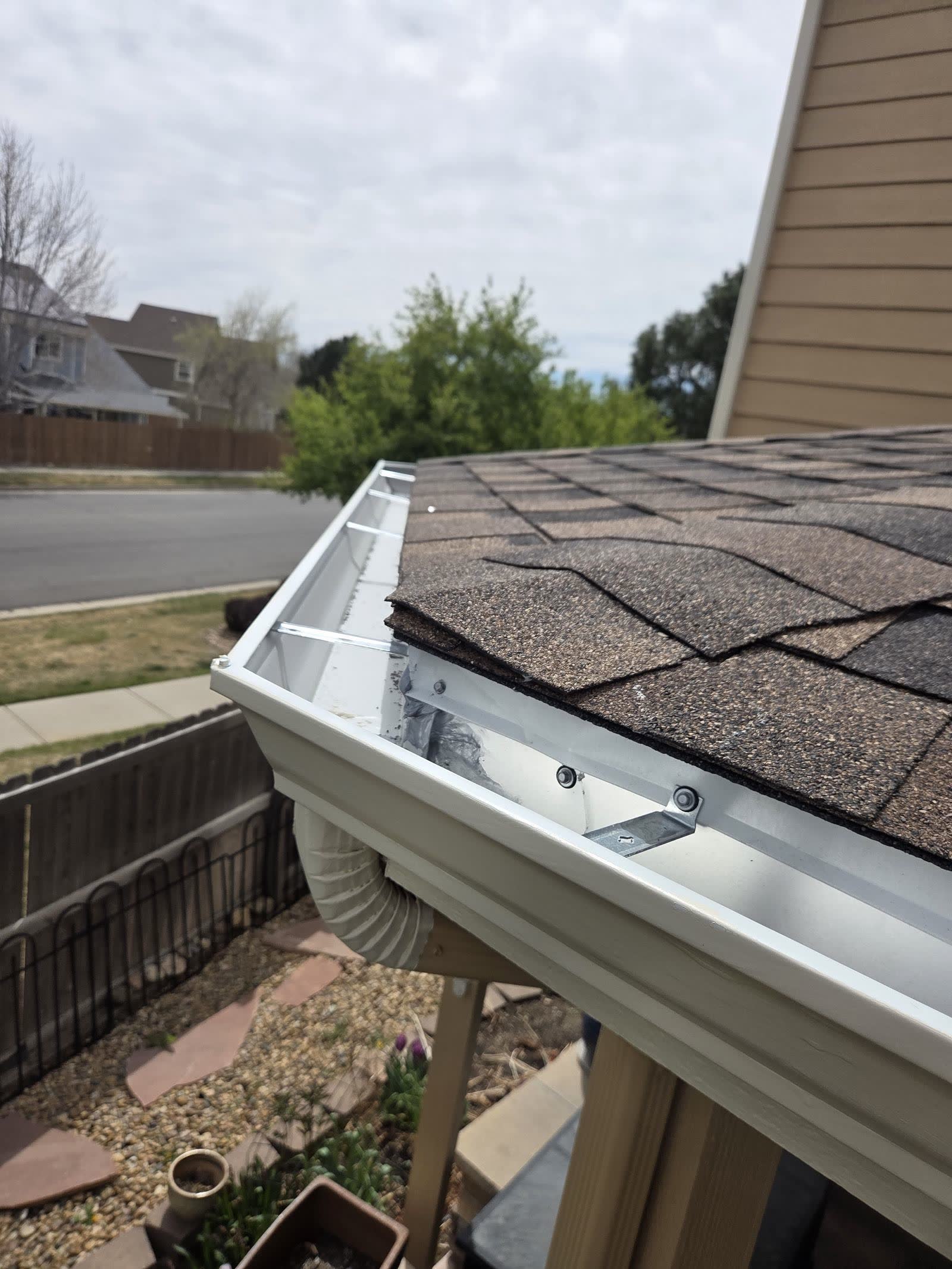
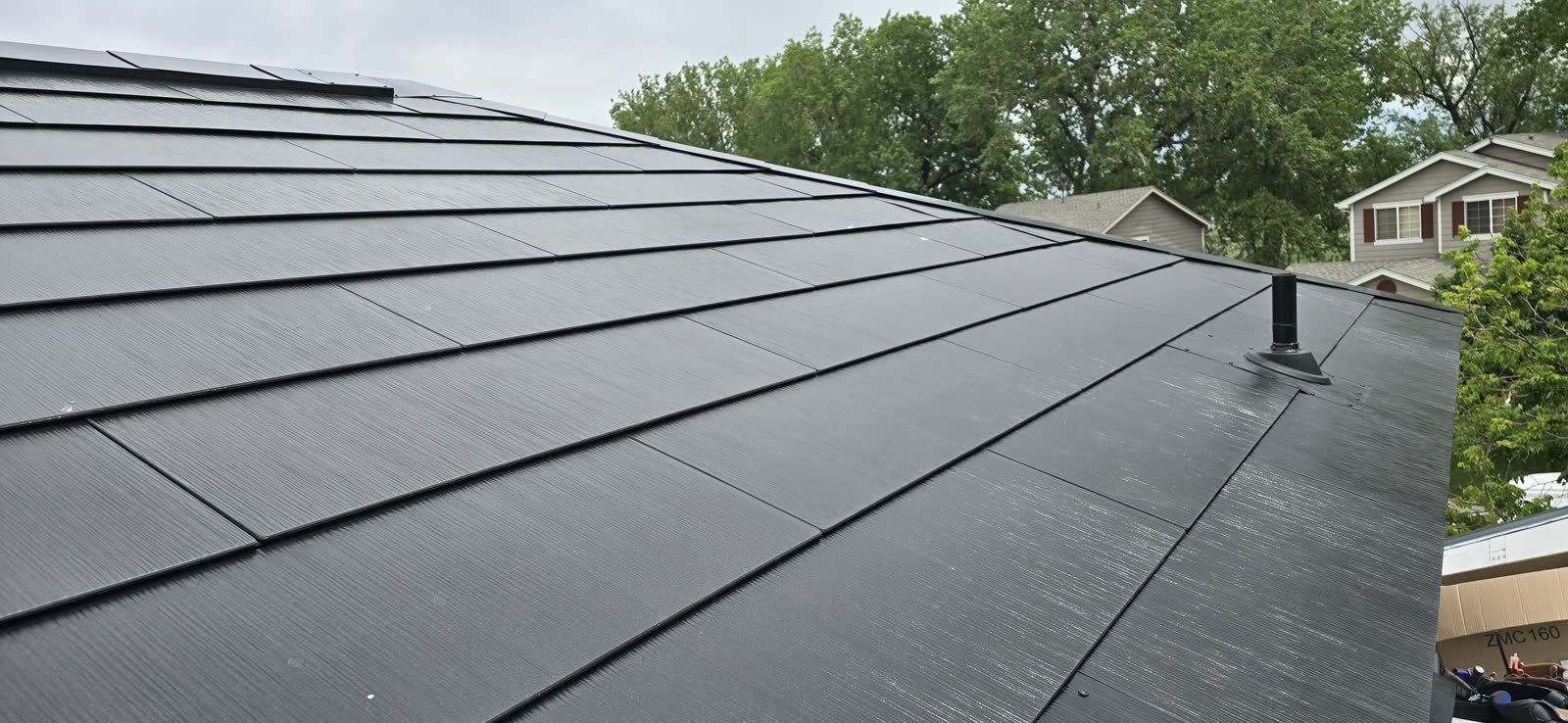
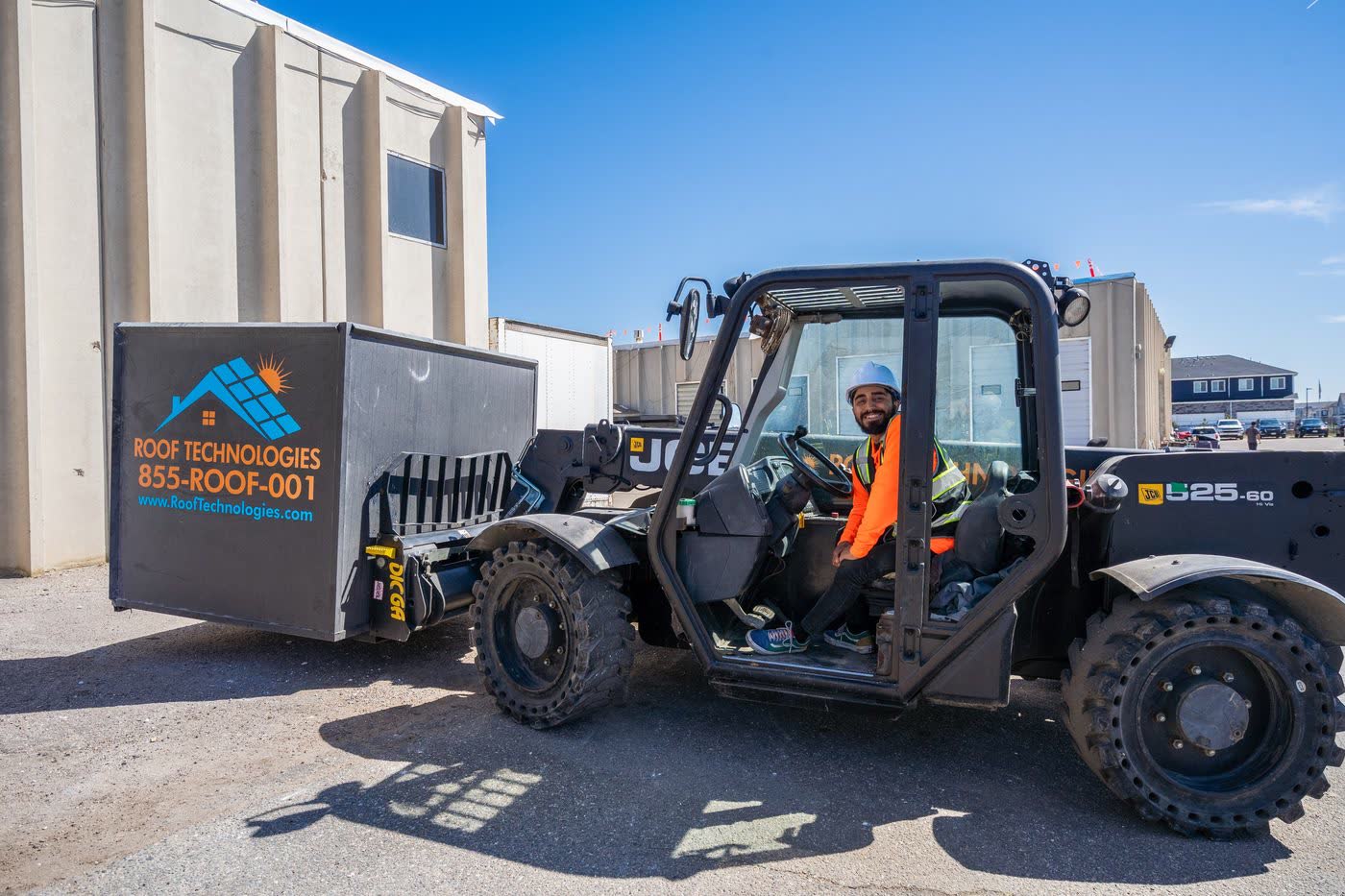
A Look at Our Recent Conifer Projects
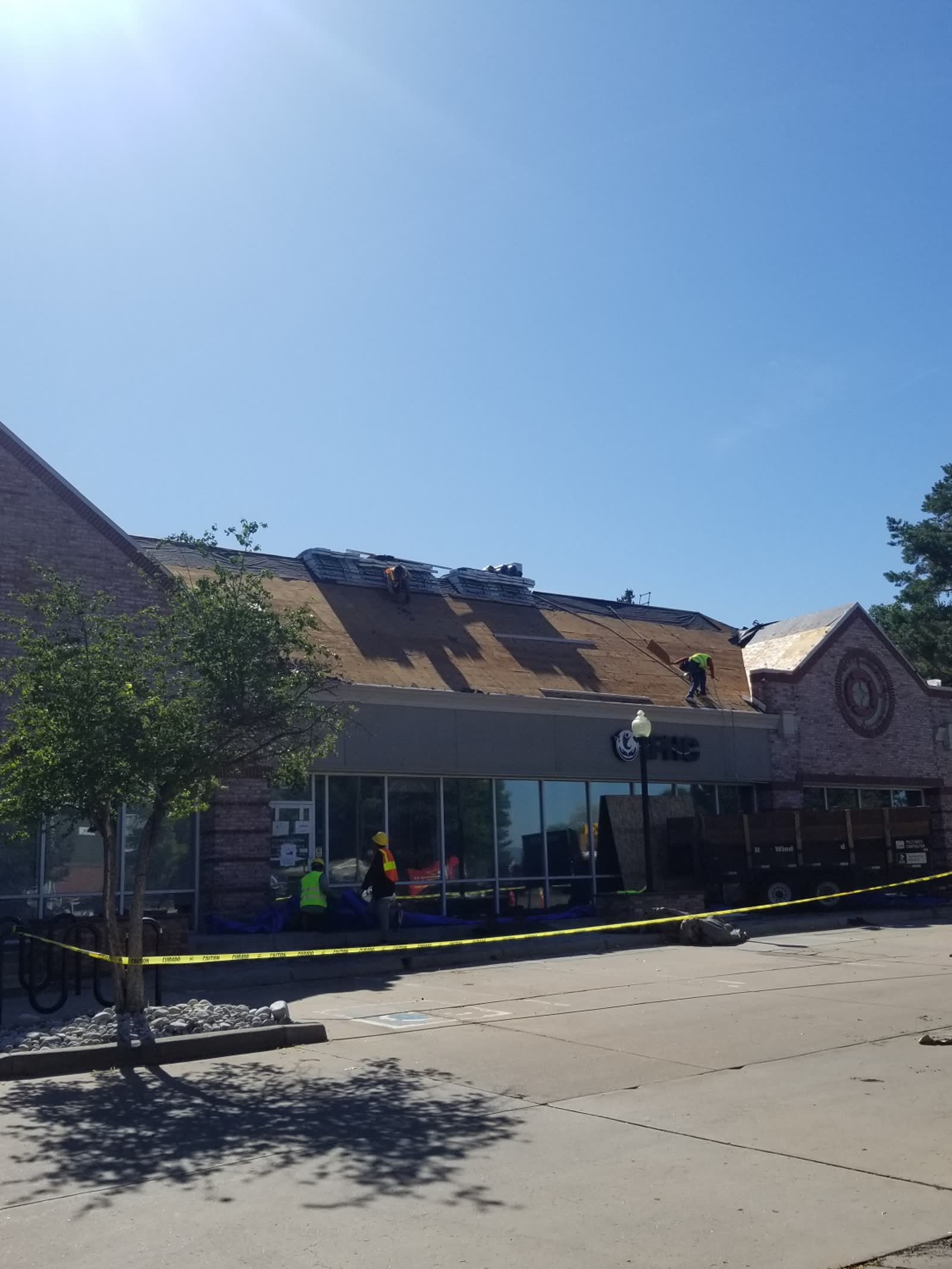
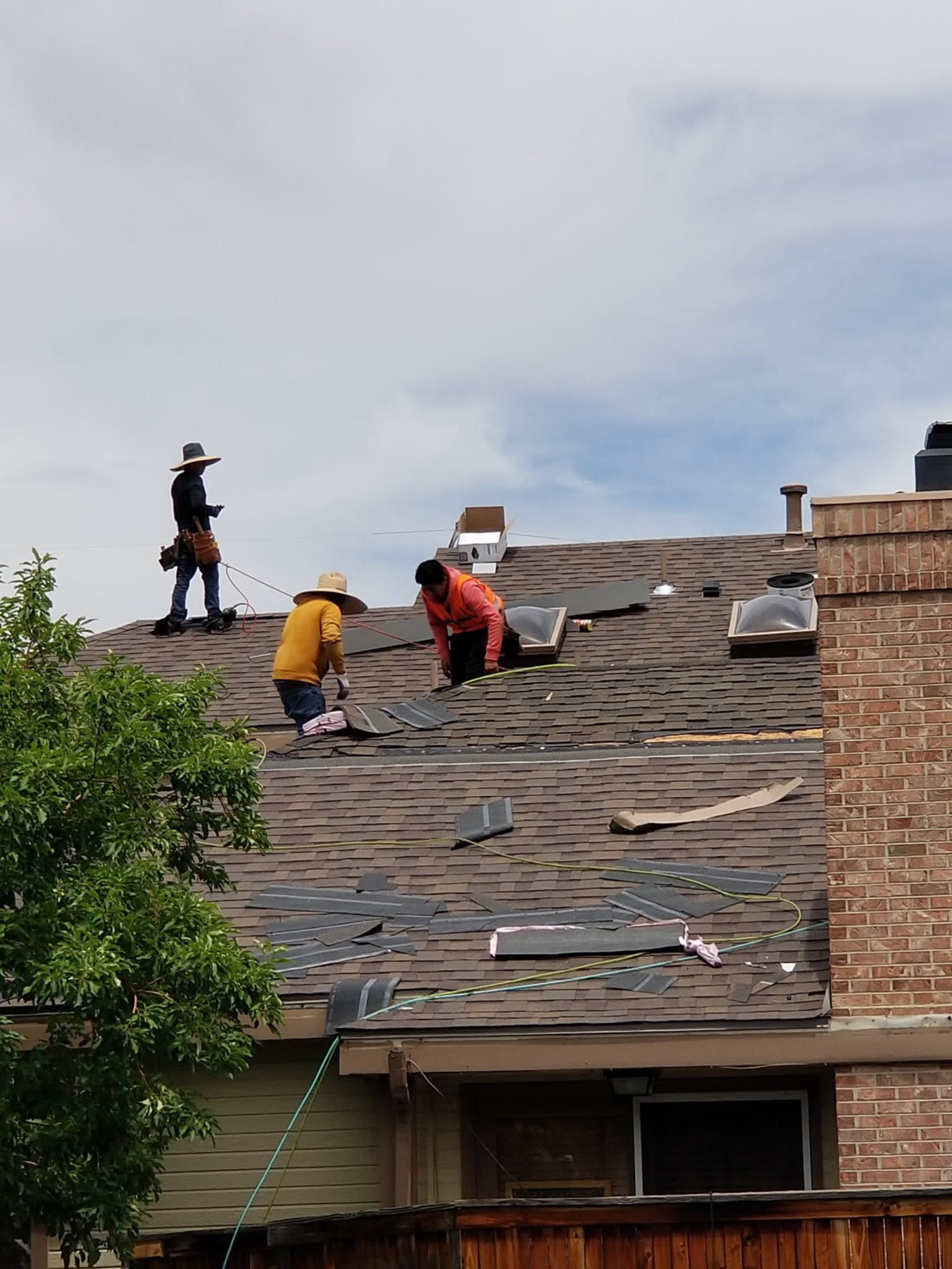
Residential re-roofs, commercial flats, solar installs, and seamless gutters across Conifer, CO — from established neighborhoods to current new construction.
Why Conifer Homeowners Choose Roof Technologies
Four operating principles shape every Conifer project — the same standards we apply across our five-state service area.
- 1
Foothills Install Engineering
Conifer and the surrounding mountain area gets steep pitches, sustained ridge winds, and serious snow loads. We engineer install specs — nailing pattern, underlayment, ridge venting — for the actual exposure, not the valley-floor default.
- 2
Class A WUI Compliance
Most of the Conifer service area sits in WUI (Wildland Urban Interface) overlay zones with Class A fire-rated roof assembly requirements. We default to Class A specs and document compliance in the permit packet.
- 3
Our Crew, Not a Subcontractor Chain
The installers on your Conifer roof are Roof Technologies employees, certified and equipped for steep-pitch and high-country install conditions.
- 4
Documentation That Survives a Sale
Every install leaves with Class 4 certification, Class A fire compliance, county final, and photo documentation — a complete file the next owner inherits.
Built for Aspen Park, Pine Junction, Reynolds Park & the US-285 Corridor
Conifer sits 1,100 ft higher than Evergreen along the US-285 corridor, with snow loads, fire exposure, and weather extremes that make it one of the most demanding install environments on the Front Range. The 2002 Hayman Fire and 2020 Buffalo Creek fires both burned at or near the Conifer footprint and reset the local building code — every re-roof here defaults to Class A fire-rated assembly and ember-resistant detailing.
Every Conifer job is wired for the three constants: the Jefferson County permit, the active HOA ARC, and the next high-country hail-and-wind corridor event. Class 4 shingles, documented installs, and a warranty trail. We work the supplements through to settlement on every insurance claim we touch.
Get a Free Estimate
Roofing & Solar Across Conifer's Signature Neighborhoods
Serving Conifer, CO and surrounding Jefferson County communities.
Conifer, CO
Primary Service Area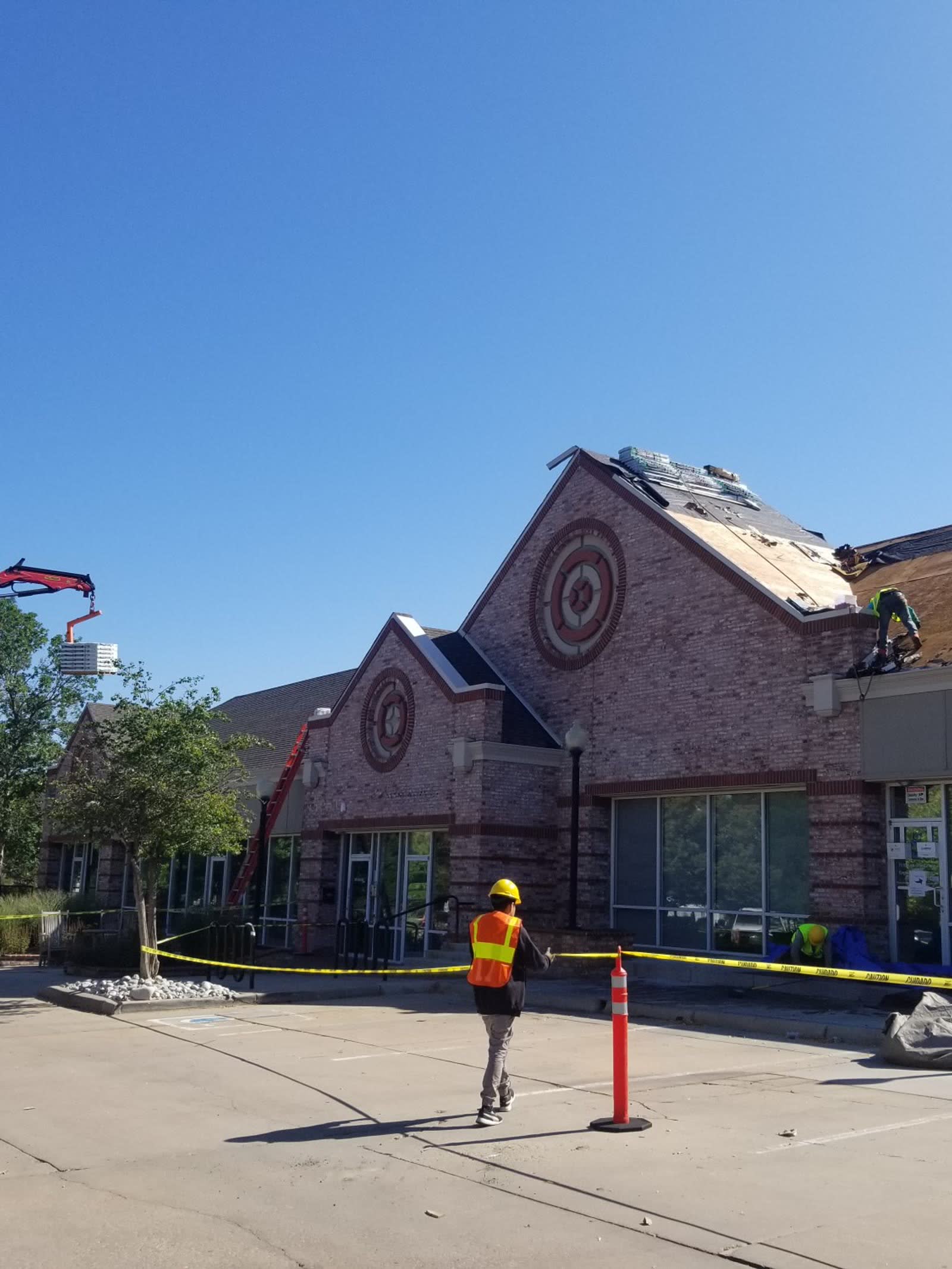
Aspen Park & Pine Junction
US-285 Mountain Communities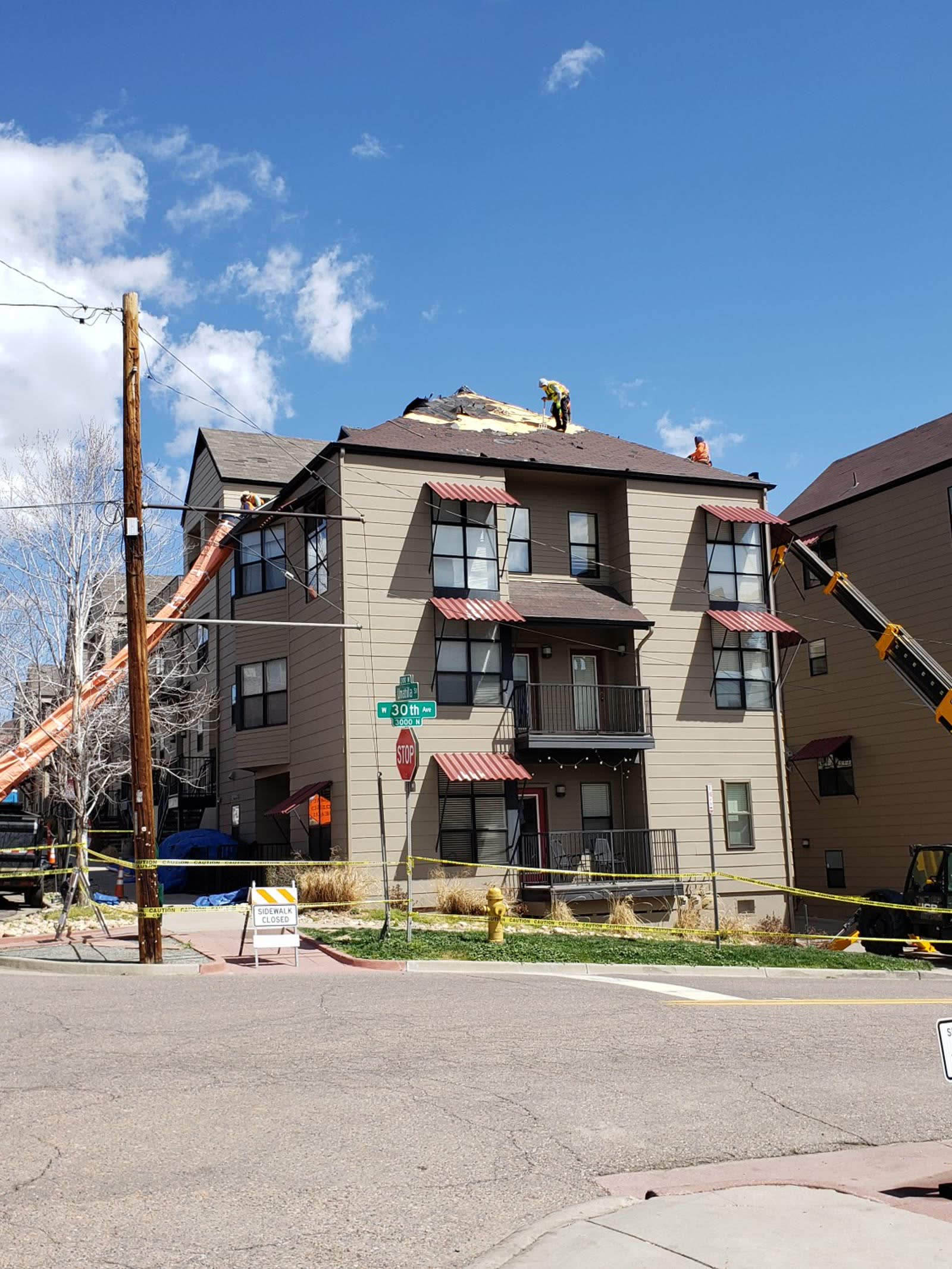
Pleasant Park & Reynolds Park
Southwest JeffCo FoothillsConifer Solar, IREA / Tri-State Net Metering, and Tesla Solar Roof
Solar at Conifer elevation works well when the lot geometry is right. The high-altitude atmosphere is cleaner than valley floor (better irradiance), but Conifer lots are often heavily treed with ridge or aspect shading. Every Conifer-area solar quote starts with a real on-site shading analysis.
Conifer sits entirely on IREA / Tri-State. We design the array against your real usage, handle IREA interconnection, and manage permitting through Jefferson County. For homeowners who want the integrated look, we install the Tesla Solar Roof as a complete roof-plus-solar assembly.
Learn About Solar in Conifer →What Our Conifer Customers Say
Trusted Brands & Certifications
Neighborhoods, ZIPs & Local Conditions in Conifer, CO
Roof Technologies works Jefferson County roofs every week. Here’s where our crews land and what the local conditions look like.
Neighborhoods & Subdivisions
- Conifer downtown
- Aspen Park
- Foxton Highlands
- Pleasant Park
ZIP Codes Served
- 80433
Conifer's 8,000+ foot elevation in the Foothills means heavy snow loads, extreme wind events, and WUI fire risk all drive roofing spec decisions here.
Conifer is in unincorporated Jefferson County; WUI Class A fire-rated assemblies are required throughout most of the area.
Solar arrays in Conifer interconnect through IREA under standard net-metering (subject to current published utility rules). We handle the interconnection paperwork, array design against your real annual usage, and the Jefferson County permitting end-to-end.
Conifer Sits in the Denver Service Region
Same crews, same materials, same scheduling priority across the Denver footprint.
Front Range Hail Belt — Recent Storm Activity
The Denver metro sits at the eastern foot of the Rockies in one of the most active hail belts in North America. Recent benchmark events include the May 2017 Mother's Day storm (one of the costliest Colorado hail events on record), the June 2018 Front Range supercell sequence, multiple 2023 storm cells centered over Aurora and Highlands Ranch (producing baseball-sized hail in some areas), and the April 2024 metro-wide hail event. Insurance-claim density runs 3-5x national average across the metro in peak storm years.
Request Your Complimentary Conifer Roof Inspection
Serving Conifer, CO and surrounding Jefferson County communities. Fill out the form and a Conifer-area project manager will reach out shortly — no pressure, no obligation.